Healthy School Lunches and Snacks That Keep Kids Fueled
August 10, 2026
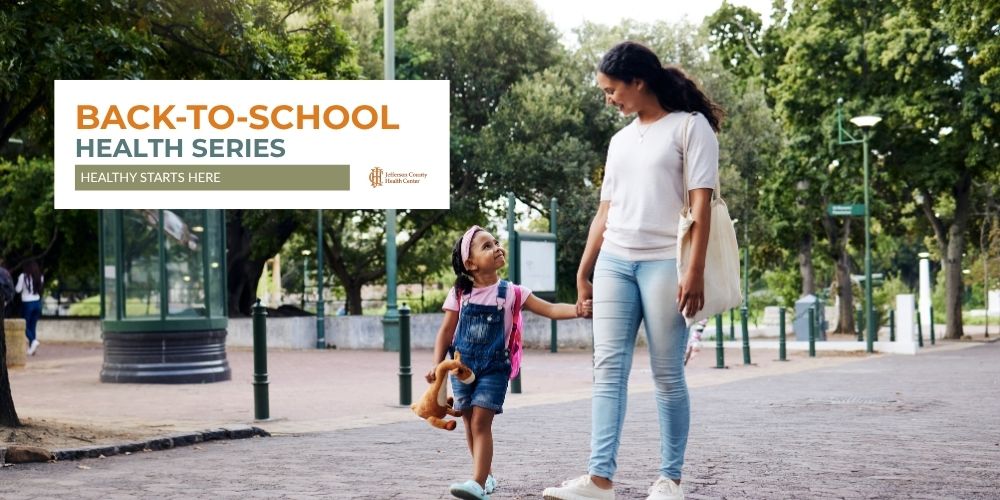
A healthy school day starts with more than pencils and backpacks—it starts with good nutrition. The foods children eat throughout the day play an important role in their ability to learn, stay focused, and remain energized from the first bell to the last.
Packing balanced lunches and choosing nutritious snacks doesn't have to be complicated. Small, healthy choices can make a big difference in your child's energy levels, concentration, and overall well-being.
Why Nutrition Matters During the School Day
Children and teens are constantly growing, learning, and staying active. Their bodies and brains need the right nutrients to support healthy development and academic success.
A balanced diet can help:
- Improve concentration and memory
- Support healthy growth and development
- Provide lasting energy throughout the day
- Strengthen the immune system
- Support healthy bones and muscles
- Reduce afternoon energy crashes
Skipping meals or relying on highly processed foods can leave students feeling tired, distracted, and hungry before the school day is over.
Start the Day with Breakfast
Breakfast is often called the most important meal of the day—and for good reason. Eating breakfast helps replenish energy after a night's sleep and prepares children for a productive morning.
Quick breakfast ideas include:
- Oatmeal topped with fruit
- Whole-grain toast with peanut butter
- Greek yogurt with berries and granola
- Whole-grain cereal with low-fat milk
- Egg muffins prepared ahead of time
- A fruit smoothie made with yogurt and milk
Even a simple breakfast is better than skipping it altogether.
Build a Balanced School Lunch
A healthy lunch should include foods from several food groups to provide protein, fiber, healthy fats, and carbohydrates.
Try to include:
Protein
- Turkey or chicken
- Tuna
- Hard-boiled eggs
- Cheese
- Hummus
- Nut butter (if permitted by the school)
Whole Grains
- Whole-grain bread
- Whole-wheat tortillas
- Brown rice
- Whole-grain crackers
- Pasta salad made with whole-grain pasta
Fruits and Vegetables
- Apple slices
- Grapes
- Berries
- Carrot sticks
- Bell peppers
- Cucumbers
- Cherry tomatoes
Dairy
- Low-fat yogurt
- Cheese sticks
- Milk
A colorful lunch often provides a wider variety of vitamins and minerals.
Smart Snacks Keep Kids Going
Healthy snacks can help children stay energized between meals, especially if they participate in after-school sports or activities.
Nutritious snack ideas include:
- Apple slices with peanut butter
- Cheese and whole-grain crackers
- Greek yogurt with fruit
- Homemade trail mix (if nut-free policies allow)
- Air-popped popcorn
- Veggies with hummus
- Cottage cheese with peaches
- Banana with sunflower seed butter
Aim for snacks that combine protein with fiber to help children feel full longer.
Don't Forget Hydration
Water is essential for concentration, physical performance, and overall health.
Encourage your child to:
- Carry a reusable water bottle to school.
- Drink water throughout the day.
- Drink extra fluids during sports practices and hot weather.
- Choose water instead of sugary drinks whenever possible.
Even mild dehydration can affect mood, attention, and athletic performance.
Limit Added Sugar
Many foods marketed to children contain more added sugar than parents realize.
When packing lunches, try to limit:
- Sugary drinks
- Candy
- Fruit snacks
- Cookies
- Pastries
- Highly sweetened cereals
Instead, satisfy a sweet tooth with fresh fruit, yogurt, or naturally sweet foods. Reading Nutrition Facts labels can also help families make informed choices when grocery shopping.
Make Healthy Eating a Family Habit
Children are more likely to develop healthy eating habits when the whole family is involved.
Try these simple strategies:
- Let children help pack their lunches.
- Offer a variety of fruits and vegetables throughout the week.
- Eat meals together whenever possible.
- Introduce new foods one at a time.
- Model healthy eating at home.
Healthy habits learned during childhood often continue into adulthood.
Fuel Success Inside and Outside the Classroom
Good nutrition helps children succeed both academically and physically. By providing balanced meals, healthy snacks, and plenty of water, parents can help their children stay focused, active, and ready to learn throughout the school year.
If you have questions about your child's nutrition, healthy eating habits, weight management, or diabetes prevention, Jefferson County Health Center's registered dietitians are here to help.
For questions about dietitian services, call Jefferson County Health Center at 641-469-4245.
Sources
Academy of Nutrition and Dietetics. School Lunches and Healthy Eating for Kids
https://www.eatright.org
MyPlate.gov. Healthy Eating for Families
https://www.myplate.gov
Centers for Disease Control and Prevention. Healthy Schools – Nutrition
https://www.cdc.gov/healthyschools
American Academy of Pediatrics. HealthyChildren.org – Nutrition
https://www.healthychildren.org
American Heart Association. Healthy Eating for Children
https://www.heart.org