Why Taking Care of Your Mind Matters
June 17, 2026
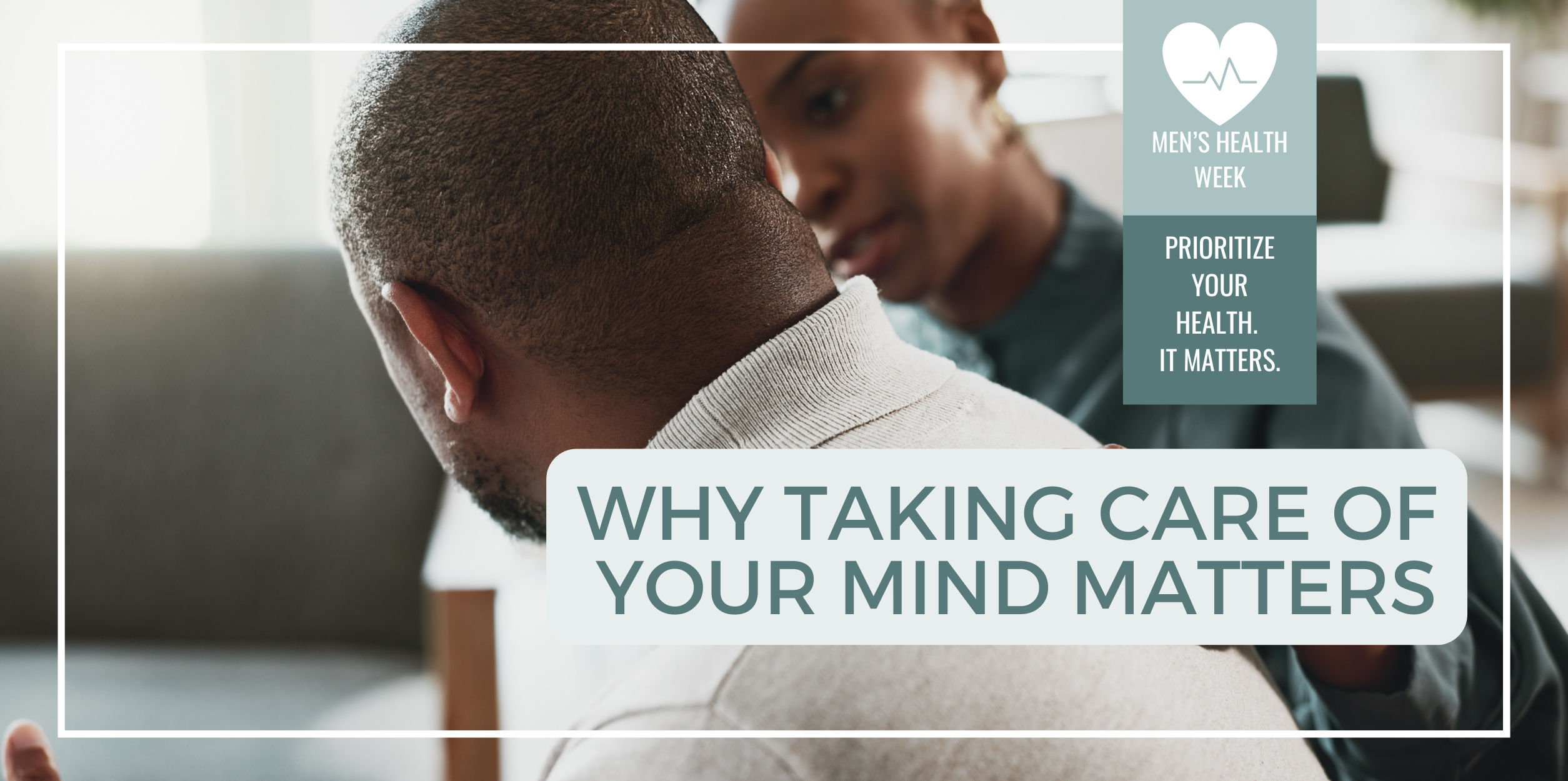
Men's Health Week is an opportunity to focus on the physical and mental well-being of men and encourage healthy habits that support long-term wellness. While conversations about men's health often center around physical conditions such as heart disease, diabetes, and cancer, mental health is just as important.
Mental health affects how we think, feel, act, handle stress, relate to others, and make decisions. It influences every aspect of daily life, yet many men are less likely to talk about mental health concerns or seek help when they need it.
According to the National Institute of Mental Health (NIMH), men may experience mental health conditions differently than women and are often less likely to receive mental health treatment. Social expectations, stigma, and the belief that they should handle challenges on their own can make it difficult for some men to reach out for support.
Understanding Stress and Mental Health
Stress is a normal part of life. Work responsibilities, financial pressures, family commitments, health concerns, and major life changes can all contribute to stress.
While occasional stress is expected, ongoing or unmanaged stress can affect both mental and physical health. Chronic stress has been linked to sleep problems, headaches, digestive issues, high blood pressure, anxiety, depression, and other health concerns.
Recognizing the signs of excessive stress is an important step toward protecting your overall well-being.
Common Signs of Stress and Mental Health Concerns
Mental health challenges do not always look the same for everyone. Some men may experience feelings of sadness or anxiety, while others may become more irritable, withdrawn, or fatigued.
Common signs may include:
- Difficulty concentrating
- Changes in sleep patterns
- Feeling overwhelmed or constantly worried
- Increased irritability, frustration, or anger
- Loss of interest in activities you once enjoyed
- Low energy or fatigue
- Withdrawing from family, friends, or social activities
- Changes in appetite
If these symptoms persist or begin interfering with daily life, it may be time to seek support from a healthcare professional.
Healthy Ways to Manage Stress
Although stress cannot always be avoided, healthy coping strategies can help reduce its impact and improve overall mental wellness.
Stay Physically Active
Regular physical activity can help reduce stress, improve mood, increase energy levels, and promote better sleep. Activities such as walking, biking, swimming, or strength training can all support mental and physical health.
Prioritize Sleep
Quality sleep is essential for emotional well-being. Most adults should aim for seven to nine hours of sleep each night. Establishing a consistent sleep schedule and limiting screen time before bed can help improve sleep quality.
Stay Connected
Spending time with family, friends, and supportive individuals can provide encouragement and reduce feelings of isolation during difficult times.
Make Time for Activities You Enjoy
Hobbies, outdoor activities, sports, volunteering, and other enjoyable pursuits can help relieve stress and provide a healthy outlet for emotions.
Talk to Someone
Talking with a trusted friend, family member, healthcare provider, or mental health professional can help you process challenges and gain valuable support. Seeking help is not a sign of weakness—it's a proactive step toward better health.
Seeking Help Is a Sign of Strength
Mental health conditions are common and treatable. Just as you would seek care for a physical illness or injury, it's important to seek support when you're struggling emotionally or mentally.
Early intervention can help prevent symptoms from worsening and improve overall quality of life. Your primary care provider can be a great place to start if you have concerns about stress, anxiety, depression, or other mental health challenges.
Make Your Mental Health a Priority
During Men's Health Week, take a moment to check in with yourself. Consider how you're managing stress, whether you're getting enough sleep, and if there are areas where you could use additional support.
At Jefferson County Health Center, we encourage men to prioritize both their physical and mental health. Taking care of your mind is an important part of taking care of your overall well-being.
If you or someone you know is experiencing a mental health crisis or having thoughts of self-harm, call or text 988 to reach the Suicide & Crisis Lifeline immediately.
Ready to schedule an appointment?
? JCHC Clinic | Fairfield: (641) 472-4156
? JCHC Clinic | Richland: 319-456-2058
? JCHC Clinic | Ottumwa: 641-215-8201
Taking care of your mental health is an important part of your overall well-being. If you have concerns about stress, anxiety, depression, or other mental health challenges, our healthcare providers are here to help.